Low Water Pressure Repair in Sisseton, SD: Water Softener and Filter Help 57262
A windy day near Sisseton High School is a reminder that local weather can affect more than outdoor plans: tornadoes and high winds can interrupt water service, including power to equipment that depends on electricity. When pressure falls, we check the home’s water source and measure before recommending a repair.
Sisseton’s private-well customers may notice reduced supply during drought conditions; keeping track of changes in well output can help distinguish supply limits from a plumbing fault. Hot summers can also raise outdoor water demand, so a pressure drop while watering may reflect competing demand rather than a failed fixture.
Our team serves Sisseton properties, including older brick storefronts and farmstead outbuildings, and explains what the readings show in plain language. We test the system, trace likely restrictions or equipment problems, and protect the work area while making repairs.
Tell us what changed and when. Call Sisseton, SD Plumbing Pros at (877) 773-0781 to arrange a pressure check in Sisseton.
- Water Pressure Testing
- Water Pressure Regulator Repair
- Booster Pump Repair
- Sudden Water Pressure Drop
- Weak Shower Pressure Repair
- Low Hot Water Pressure Repair
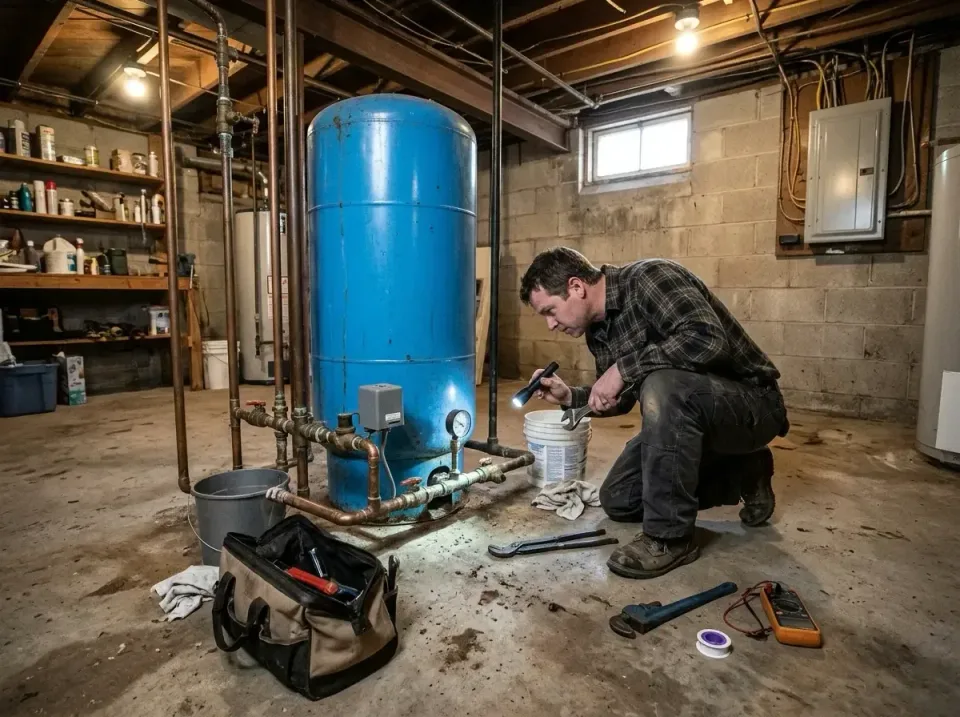
Who checks Sisseton water pressure and winter lines?
Sisseton High School is a familiar local landmark, and nearby properties face the practical effects of severe cold. Subzero cold snaps increase frozen-pipe risk, so exposed plumbing deserves attention before a small restriction becomes a loss of flow. In cold, dry winters, protecting exposed lines can help prevent freeze-related pressure problems.
South Dakota Plumbing Pros brings more than 10 years of service experience to Sisseton. We confirm whether a home uses municipal or well water, take pressure readings, explain the likely cause, and recommend a repair suited to the system.
Our crew schedules visits for Sisseton properties and arrives ready to inspect the pressure equipment and accessible piping. You can expect a clear explanation before work begins.
Pressure problems in Sisseton need measured diagnosis
When several taps weaken together, or pressure drops while the washer runs, our first step is to measure rather than guess. Freeze-thaw cycles can stress buried service lines; a changing reading at a Sisseton home may call for a closer look at the line and its connections. Snow and ice can also complicate winter access, so clear a safe path to the service area when possible.
We compare pressure with fixtures closed and while water flows, then inspect accessible valves, restrictions, and well equipment as appropriate. Spring snowmelt can saturate basements and crawlspaces, making a visible damp area worth mentioning during the visit.
Check whether the main shutoff is fully open, without forcing a stuck valve. We serve Sisseton ZIP code 57262; call our team when low flow persists or affects multiple fixtures.
How to protect pressure equipment through Sisseton winters
Sisseton’s windy winters and heavy snowfall can make access to outdoor plumbing and well equipment harder. Keep the route to accessible equipment clear when conditions allow, and do not chip at frozen pipes or force a valve. Sisseton High School provides a familiar local reference for our service area.
During a pressure visit, we measure dynamic pressure while water flows; that reading shows whether the supply holds up under actual household demand. Below 40 psi may feel low at fixtures, but the number alone does not identify the cause.
Our team checks the accessible system and discusses the next repair step. If pressure changes after a filter replacement, note when it began and avoid dismantling pressurized equipment. Call us when weak flow continues.
Sisseton plumbing work follows state licensing rules
Before pressure testing, we confirm whether a Sisseton property uses a public supply or a private well; the water source determines which equipment and checks apply. South Dakota Codified Laws Chapter 36-25 covers plumbing contractor licensing, and the South Dakota Plumbing Code sets requirements for applicable work. Sisseton High School is one familiar point in the community our crew serves.
A pressure regulator can make low flow worse if it is failing or set improperly, so we inspect it before recommending replacement. A water softener can also restrict flow when its condition or connections are contributing to the problem.
Permit requirements depend on the work and the authority having jurisdiction; Sioux Falls Building Services is not Sisseton’s local permit office. We verify the applicable requirements rather than assume a permit is or is not needed.
Sisseton’s severe winter weather also makes protecting exposed plumbing an important part of planning repairs. Skipping a required permit or inspection can leave work unapproved. Our licensed crew explains the applicable steps before work starts.
Why us
Local Low Water Pressure Repair in Sisseton, SD
Get a clear diagnosis and a repair plan shaped around your home’s water system.
Clear Findings
Technicians test pressure at fixtures and the main supply, then explain what the readings suggest. You can discuss the likely repair before work begins, without relying on guesswork.
South Dakota Know-How
Experience with mineral buildup, aging pipes, pressure regulators, frozen lines, and well systems helps the crew consider common causes in South Dakota homes, including those outside the Sioux Falls metro.
Defined Repair Scope
The crew discusses what the diagnosis points to and coordinates repairs for regulators, pumps, tanks, filters, or suspected leaks. You know which system components the proposed work addresses.
Warning signs
Early Signs of Water Pressure Trouble
Faucet Sputtering
A faucet that spits or sputters can signal air or an interruption in the water supply. Note whether it happens at one fixture or several, and whether the pattern repeats; that detail can help narrow down where to investigate.
Pressure Gauge Swings
A pressure gauge that swings noticeably may point to a system that is not holding steady pressure. Keep track of when the reading changes and which household water uses are underway, then share that context when arranging an assessment.
Debris at Aerators
Grit or mineral deposits appearing on faucet aerators can restrict flow at the fixture. If cleaning an aerator does not restore its usual stream, or deposits return, mention it so the technician can consider buildup in the plumbing.
Through the year
Low Water Pressure Repair Throughout the Year
Spring
Changing temperatures after heavy snowfall can make it useful to check that household plumbing and water equipment are working as expected. Arrange pressure testing if flow seems different, and have the technician consider winter exposure when assessing accessible lines.
Summer
Households may use water for more activities during summer, making changes in flow easier to notice. Pressure testing can help distinguish a fixture restriction from an issue at the main supply or well equipment before choosing a repair.
Fall
Fall is a practical time to check pressure and discuss exposed plumbing before colder weather arrives. A technician can assess readings and explain whether a regulator, pump, tank, filter, or suspected leak needs attention.
Winter
Windy winters, heavy snowfall, and occasional blizzards can complicate access and put exposed lines at risk. Schedule an assessment when pressure changes, and tell the crew about access conditions so service can be coordinated appropriately.
Common situations
What Pressure Testing Can Clarify
Hot Taps Run Weaker
Hot taps run weaker than cold ones, leaving the cause unclear. The difference may involve a fixture or another part of the plumbing, so it is useful to note which taps are affected.
A technician tests pressure at fixtures and the main supply, explains the findings, and coordinates an appropriate repair for identified components. Retesting and documented readings give you a clearer view of the result.
Before you hire
Questions to Ask Before Hiring
Are you licensed for plumbing work in South Dakota?
Ask the provider to confirm its South Dakota plumbing contractor licensing and explain whether it covers the work being discussed. Verifying this before scheduling helps you understand who is responsible for the plumbing repair.
How is service scheduled for Sisseton?
Ask how calls to communities outside the Sioux Falls metro are coordinated and what affects the service schedule. Knowing how the provider handles travel and scheduling helps you plan access without assuming a specific arrival time.
What work is included in the proposed scope?
Ask which testing and repair tasks are included, and which components the work addresses. A clear scope helps you compare proposals on the same basis and understand what may require a separate discussion.
What terms should I review before approving work?
Ask for the work terms in writing, including how changes to the scope are handled and what documentation you receive. Reviewing those details beforehand helps you understand what you are approving and what records to keep.
Get Low Water Pressure Repair in Sisseton, SD
Request a quote online or contact our Sisseton, SD team directly by phone or email.
Low Water Pressure Repair FAQs in Sisseton, SD
What pressure is normal for a Sisseton home?
Residential water pressure commonly targets 40–60 psi, though readings vary with elevation and demand. Our team measures pressure with fixtures closed and while water is flowing to see how the system performs.
Why does pressure drop when the washer runs?
If pressure falls at several fixtures while the washer fills, the cause may involve supply, a restriction, or pressure equipment rather than one faucet. Note which taps are affected and whether the drop happens during every wash cycle; we use that pattern to guide testing at your Sisseton property.
What should I do if the well pump cycles every few minutes?
Frequent cycling can point to a pressure-system issue. Note how often the pump starts, keep its electrical disconnect accessible, and avoid opening electrical equipment. Our team can inspect the accessible well pressure system and explain the findings.